Santino Fajardo
Software Engineer
Golang | NodeJs | Python | BlockchainExperience
2024 - Present

Jobchain
Full Stack Developer
I currently work as a Backend Software Engineer on a regulated cryptocurrency exchange, where I own and maintain the core exchange backend. I’m responsible for designing and building systems that manage user balances, wallets, and transactions, ensuring accuracy, security, and regulatory compliance. My role involves end-to-end ownership, including architecture decisions, integrations with blockchain networks and external services, and deploying production-ready systems that operate reliably at scale.
2023 - 2024
Orbit AI
Software Engineer
Developed AI agents that interact directly with the blockchain to help users perform complex actions across more than 10 different blockchains. These agents assist with challenging operations such as bridging assets, swapping tokens, participating in liquidity pools, and more, making advanced blockchain functionality accessible through intelligent automation.
2021 - 2023

SphereOne
Software Engineer
Create applications and server where users are able to make payments on the blockchain on more than 15 different blockchains including evm, solana and bitcoin. Building a cross-platform mobile application, web pwa, server and dashboard for customers to be able to control payments, balances and more.
2022

Henry Academy
Teaching Assistant
I lead a group of students to solve both technical and administrative issues. We had daily meetings where we talked about the activities done during the day as well as solving obstacles when writing code.

Projects
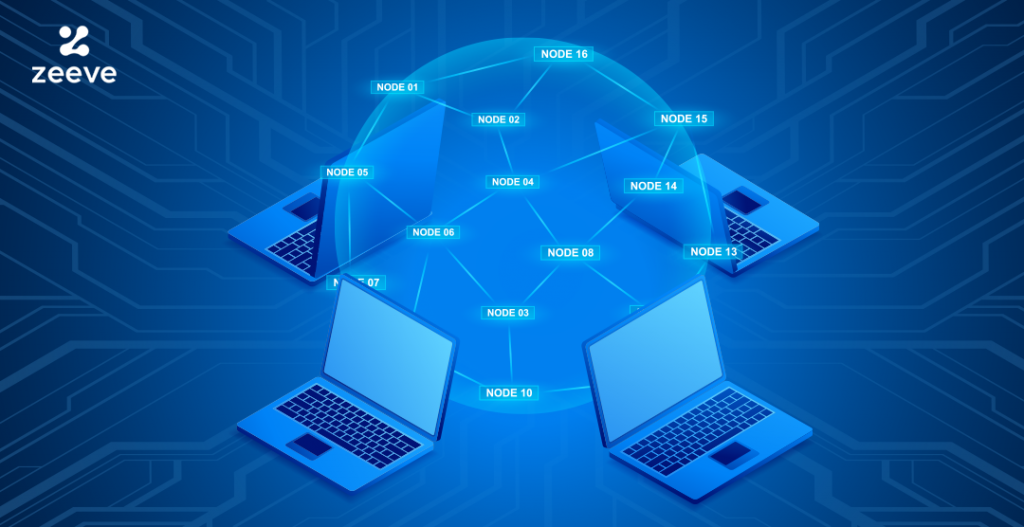
Btc and Eth RPC nodes
This application deploys two independent servers to run native Bitcoin and Ethereum JSON-RPC nodes, providing dedicated RPC endpoints for each blockchain. A gateway server, implemented in Golang, acts as a single entry point for clients, forwarding and orchestrating all requests to the underlying Bitcoin and Ethereum RPC nodes. This gateway abstracts the complexity of interacting with multiple blockchain protocols, offering a unified API surface and handling request routing, authentication, and response formatting between clients and both blockchain backends.
Languages:
Technologies:
Others:
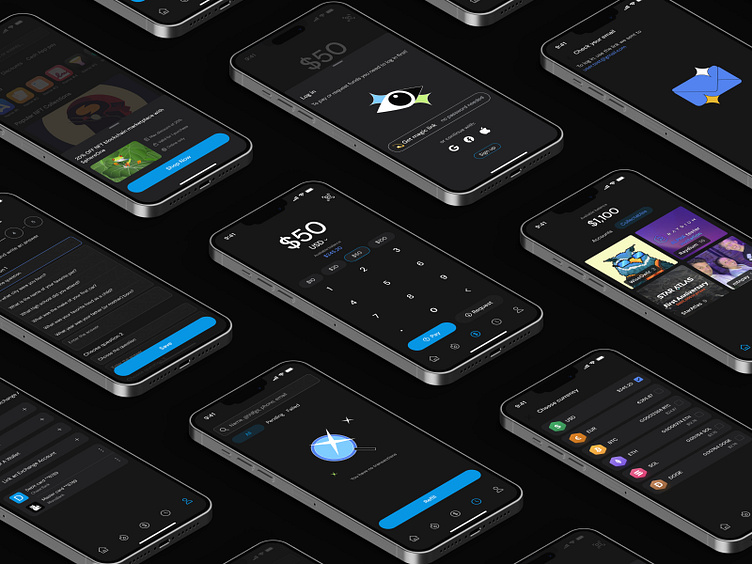
Blockchain dapp
This React Native application provides a robust and secure platform for conducting Web3 payments on the blockchain. Users can perform transactions with other users, execute swaps and bridges, and more. The app handles user information, supports authentication and multi-factor authentication, and allows users to view their balances across multiple blockchains. The designs were created using Figma, task management was done through Jira, and version control and repository management were handled using Git and GitHub.
Languages:
Technologies:
Others:
Blockchain based server
This server processes payments on the blockchain, interacting with protocols and smart contracts. It is deployed on Google Cloud and includes automation with GitHub Actions and unit testing. Built with Express and Google Gateway, it uses JWT token control for authentication and connects to a Firebase database. The server handles user payments, user and client information, and analytics for a dashboard.
Languages:
Technologies:
Others:
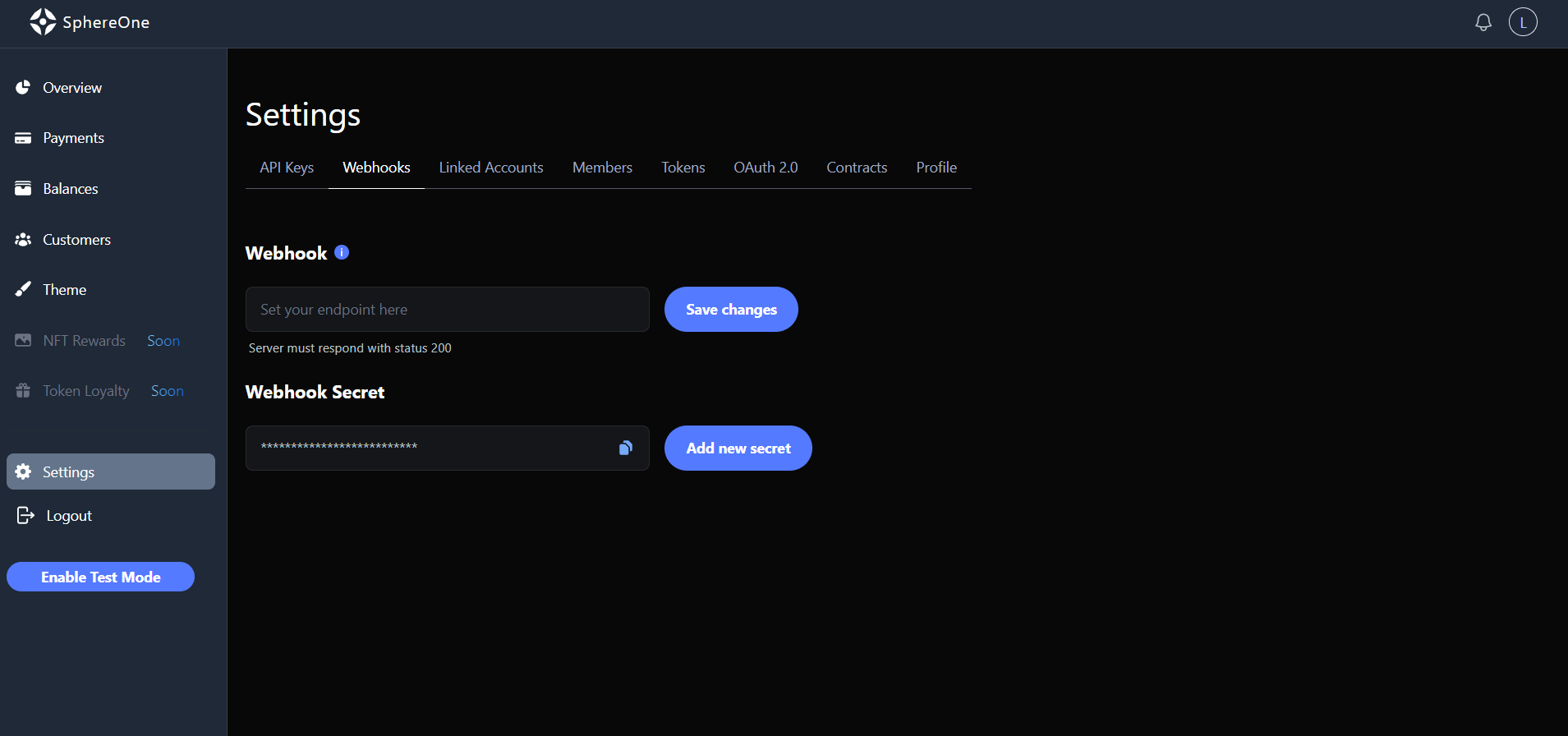
Client dashboard
This React Native application provides a robust and secure platform for conducting Web3 payments on the blockchain. Users can perform transactions with other users, execute swaps and bridges, and more. The app handles user information, supports authentication and multi-factor authentication, and allows users to view their balances across multiple blockchains. The designs were created using Figma, task management was done through Jira, and version control and repository management were handled using Git and GitHub.
Languages:
Technologies:
Others:

Simple Bank
Server application created 100% with Golang programing language. This server leverage the AWS tools in order to deploy a postgres database and deploy Docker images. Use gRPC requests leveraging the protobuf tools in order to generate the stubs, generate the openapi json and generate useful documentation. Also, create a authentication middleware using PASETO token in order to increase the security and limit the access to users that can leverage the server endpoints.
Languages:
Technologies:
Others:
Btc and Eth RPC nodes
This application deploys two independent servers to run native Bitcoin and Ethereum JSON-RPC nodes, providing dedicated RPC endpoints for each blockchain. A gateway server, implemented in Golang, acts as a single entry point for clients, forwarding and orchestrating all requests to the underlying Bitcoin and Ethereum RPC nodes. This gateway abstracts the complexity of interacting with multiple blockchain protocols, offering a unified API surface and handling request routing, authentication, and response formatting between clients and both blockchain backends.
Languages:
Technologies:
Others:
Blockchain dapp
This React Native application provides a robust and secure platform for conducting Web3 payments on the blockchain. Users can perform transactions with other users, execute swaps and bridges, and more. The app handles user information, supports authentication and multi-factor authentication, and allows users to view their balances across multiple blockchains. The designs were created using Figma, task management was done through Jira, and version control and repository management were handled using Git and GitHub.
Languages:
Technologies:
Others:
Blockchain based server
This server processes payments on the blockchain, interacting with protocols and smart contracts. It is deployed on Google Cloud and includes automation with GitHub Actions and unit testing. Built with Express and Google Gateway, it uses JWT token control for authentication and connects to a Firebase database. The server handles user payments, user and client information, and analytics for a dashboard.
Languages:
Technologies:
Others:
Client dashboard
This React Native application provides a robust and secure platform for conducting Web3 payments on the blockchain. Users can perform transactions with other users, execute swaps and bridges, and more. The app handles user information, supports authentication and multi-factor authentication, and allows users to view their balances across multiple blockchains. The designs were created using Figma, task management was done through Jira, and version control and repository management were handled using Git and GitHub.
Languages:
Technologies:
Others:
Simple Bank
Server application created 100% with Golang programing language. This server leverage the AWS tools in order to deploy a postgres database and deploy Docker images. Use gRPC requests leveraging the protobuf tools in order to generate the stubs, generate the openapi json and generate useful documentation. Also, create a authentication middleware using PASETO token in order to increase the security and limit the access to users that can leverage the server endpoints.
Languages:
Technologies:
Others:
Btc and Eth RPC nodes
This application deploys two independent servers to run native Bitcoin and Ethereum JSON-RPC nodes, providing dedicated RPC endpoints for each blockchain. A gateway server, implemented in Golang, acts as a single entry point for clients, forwarding and orchestrating all requests to the underlying Bitcoin and Ethereum RPC nodes. This gateway abstracts the complexity of interacting with multiple blockchain protocols, offering a unified API surface and handling request routing, authentication, and response formatting between clients and both blockchain backends.
Languages:
Technologies:
Others:

